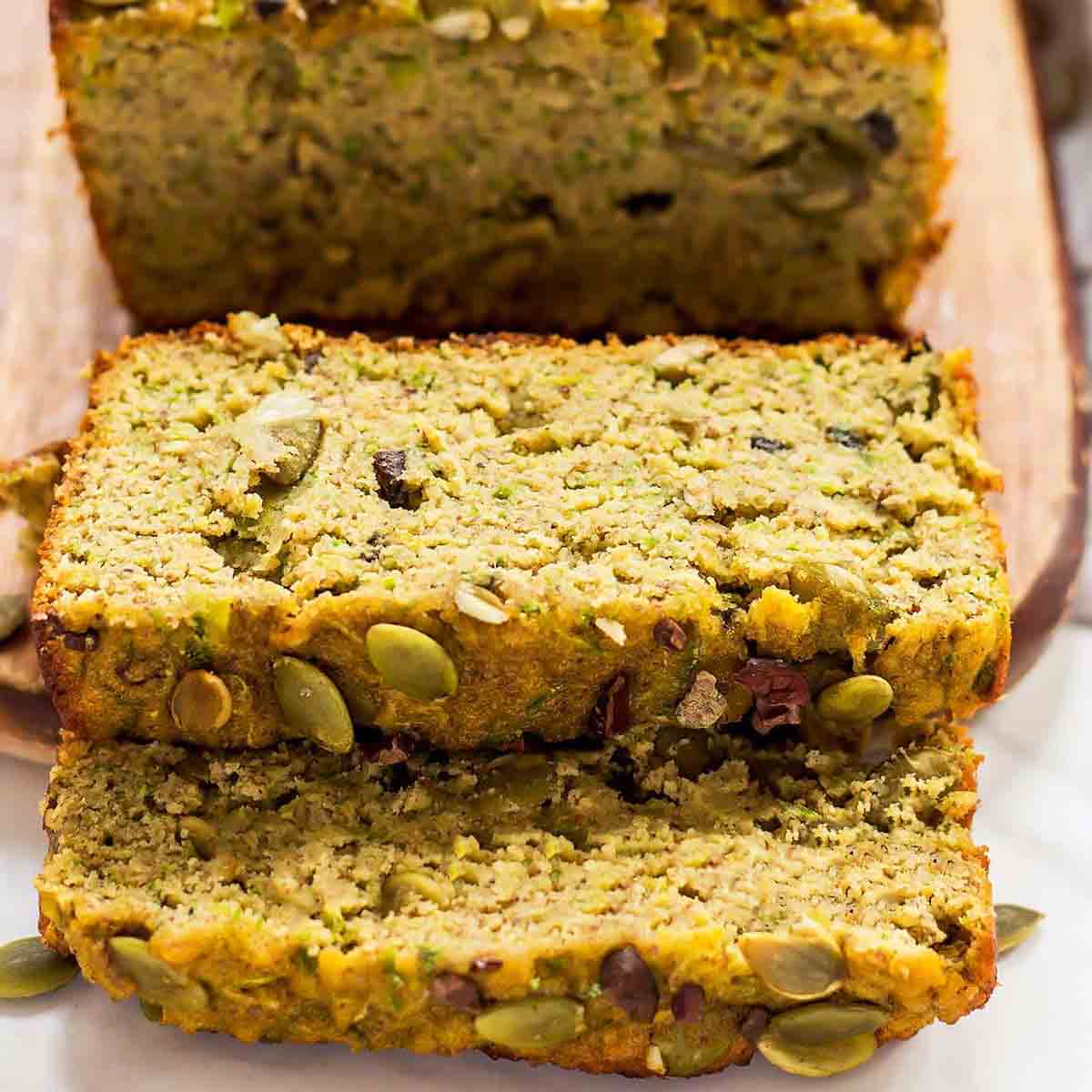
Imagine a baking experience so effortless, so rewarding, that it yields a wholesome, moist, and utterly delicious treat with minimal cleanup. Welcome to the world of our Easy One-Bowl Paleo Coconut Flour Zucchini Bread! This recipe isn't just about baking; it's about simplifying your kitchen routine while delivering a low-carb, gluten-free, and grain-free delight that appeals to everyone, even the most discerning palates. Whether you're looking to use up that abundant garden zucchini or simply craving a healthier quick bread, this recipe is about to become your new favorite.
Zucchini bread has always been a beloved classic, but traditional versions often rely on refined flours and sugars. Our paleo adaptation harnesses the unique properties of coconut flour to create a tender crumb and rich flavor, all while keeping it compliant with specific dietary needs. It's lightly sweetened, infused with warm spices like cinnamon and nutmeg, and promises a perfectly moist texture that will have even the pickiest eaters reaching for a second slice.
The Magic of One-Bowl Baking: Simplicity Meets Deliciousness
One of the greatest joys of this paleo coconut flour zucchini bread is its incredible ease. We've designed it as a true one-bowl wonder, meaning less mess and more time to savor the delicious aroma filling your kitchen. The secret to a perfectly uniform batter lies in the order of operations, ensuring every ingredient is seamlessly incorporated.
- Start Wet: In a large mixing bowl, begin by whisking together all your wet ingredients. This typically includes eggs, your chosen liquid sweetener, a touch of nut or seed butter, melted coconut oil, and a splash of vanilla extract. Whisk vigorously until the mixture is smooth and well-combined. This foundational step ensures a homogenous base, preventing clumps and promoting an even distribution of moisture and flavor.
- Add Dry: Next, introduce your dry ingredients directly into the same bowl. For this recipe, that means coconut flour, a bit of flax meal (which adds a wonderful texture and boost of omega-3s), baking powder for lift, a generous dash of cinnamon, and a pinch of salt to balance the flavors. Use your whisk or a sturdy spatula to gently fold the dry into the wet mixture. Coconut flour is highly absorbent, so the batter will thicken quickly.
- Fold in the Chunks: Finally, it's time for the stars of the show: your grated zucchini and any optional add-ins. Gently fold these into the batter with a spatula until just combined. Overmixing at this stage can lead to a tough texture, so a light hand is key.
This streamlined process not only cuts down on cleanup but also guarantees a consistently moist and flavorful loaf every time. It’s a testament to how simple ingredients can come together to create something truly extraordinary. For more easy and quick bread ideas that are also gluten-free, check out our related article: Paleo Coconut Flour Zucchini Bread: Moist, Gluten-Free & Easy Quick Bread.
Unlocking Flavor and Texture: Key Ingredients & Customization
Every ingredient in this low-carb coconut flour zucchini bread plays a crucial role, contributing to its paleo-friendly profile and delectable texture. Understanding their functions also opens the door to intelligent customization.
Coconut Flour: A Paleo Powerhouse
Coconut flour is the hero of this recipe, offering a unique set of benefits. It's incredibly economical because a little goes a long way, especially compared to blanched almond flour. Its high fiber content makes it exceptionally absorbent, which is why recipes using coconut flour typically require more liquid – specifically, more eggs! This also means your baked goods will be naturally higher in protein. However, this absorbency means you can't simply swap it one-for-one with other flours. Embrace its distinct properties for a naturally dense yet tender crumb.
The Crucial Role of Eggs
For a recipe like this, eggs are non-negotiable. They provide essential structure, moisture, and help the bread rise and fluff up beautifully. While many gluten-free and vegan recipes successfully use flax or chia "eggs," they simply don't offer the same structural integrity needed for this particular coconut flour formulation. Trying to substitute them here often results in a gooey, under-baked texture. Rest assured, we're always experimenting with vegan options for different recipes, but for this specific paleo coconut flour zucchini bread, real eggs are your best bet for perfection.
Sweeteners & Fats: Tailoring Your Treat
To keep this bread low-carb and paleo, we recommend liquid sweeteners like maple syrup, honey, or a keto-friendly option such as erythritol or monk fruit blend. Adjust the amount to your preference. For fat, melted coconut oil is ideal, complementing the coconut flour perfectly. You can also add a tablespoon or two of almond butter or cashew butter for extra richness and a subtle nutty flavor. Ensure whatever nut or seed butter you choose is unsweetened and free of hydrogenated oils for a truly paleo experience.
Zucchini Prep: Grate, Squeeze, or Not?
When it comes to the zucchini itself, simplicity reigns. You can use either the large or small holes of a box grater; both yield delicious results. There’s no need to haul out the food processor, especially considering the extra cleanup. As for squeezing the moisture out of the grated zucchini, it's entirely optional! While some bakers prefer to squeeze for a slightly stronger zucchini flavor and a firmer crumb, we find this recipe works wonderfully without the extra step, making it even easier. However, if your zucchini is particularly watery, a gentle squeeze can prevent a slightly too-moist texture.
Creative Add-Ins: Elevating the Experience
This bread is fantastic on its own, but it's also a blank canvas for your favorite additions. Consider:
- Nuts: Chopped pecans or walnuts add a delightful crunch.
- Seeds: Pumpkin seeds or sunflower seeds for a nutrient boost and texture.
- Chocolate: Dairy-free chocolate chips or cacao nibs for a rich, indulgent twist.
- Dried Fruit: A small handful of unsweetened raisins or chopped dates (use sparingly for low-carb considerations) can add natural sweetness.
These thoughtful additions can transform your simple quick bread into a gourmet experience, especially if you're trying to win over picky eaters with healthy treats. For more ideas on how to make healthy eating delicious for everyone, explore our article on Paleo Coconut Flour Zucchini Bread: Healthy, Picky-Eater Approved & Grain-Free.
Baking to Perfection: Tips for Loaves & Muffins
Whether you opt for a classic loaf or individual muffins, the goal is a beautifully golden-brown exterior and a perfectly cooked interior. The baking process is straightforward, but a few tips can make all the difference.
- Pan Preparation: For a loaf, we highly recommend lining your loaf pan with a couple of parchment paper strips, allowing them to hang over the sides. This creates "handles" that make unmolding the cooled bread incredibly easy, preventing any sticking. If making muffins, simply line your muffin tin with paper liners.
- Baking Times: A standard loaf will typically bake for 50-60 minutes at 350°F (175°C). Muffins, being smaller, will bake much faster, usually around 20-25 minutes. Always check for doneness by inserting a toothpick into the center; it should come out clean or with moist crumbs attached, but no wet batter.
- Cooling: Resist the urge to slice into your bread or muffins immediately! Allow them to cool in the pan for at least 10-15 minutes before transferring to a wire rack to cool completely. This crucial step allows the structure to set and prevents crumbling.
While a loaf is satisfying, many bakers prefer the muffin version for their faster bake time and built-in portion control, making them perfect for grab-and-go snacks or breakfast. Both are equally delicious, so choose what suits your lifestyle best!
Troubleshooting & Storage for Your Paleo Zucchini Bread
Even with an easy one-bowl recipe, sometimes things don't go exactly as planned. Here are some quick fixes and storage tips to ensure your paleo coconut flour zucchini bread is always a success:
- Too Dry? Coconut flour is very absorbent. Ensure you've accurately measured your liquid ingredients and eggs. Over-baking can also dry out the bread, so keep an eye on your oven and start checking for doneness a bit early.
- Too Wet/Gooey? This can happen if your zucchini was particularly watery and you didn't squeeze it, or if the bread is under-baked. Make sure your oven temperature is accurate and bake until a toothpick comes out clean. If you suspect watery zucchini, a light squeeze next time can help.
- Storage: This moist bread keeps well. Store it at room temperature in an airtight container for 2-3 days, or in the refrigerator for up to a week. For longer storage, slice the bread and freeze individual portions in an airtight bag or container for up to 2-3 months.
- Reheating: Thaw frozen slices at room temperature or warm gently in a toaster oven for a few minutes until heated through.
This Easy One-Bowl Paleo Coconut Flour Zucchini Bread is more than just a recipe; it's an invitation to enjoy healthy baking without the fuss. Its moist texture, delicate sweetness, and warm spices make it an irresistible treat that caters to a range of dietary needs without compromising on flavor. So go ahead, grab that zucchini, gather your ingredients, and prepare to bake a loaf that will delight your senses and nourish your body. Happy baking!
